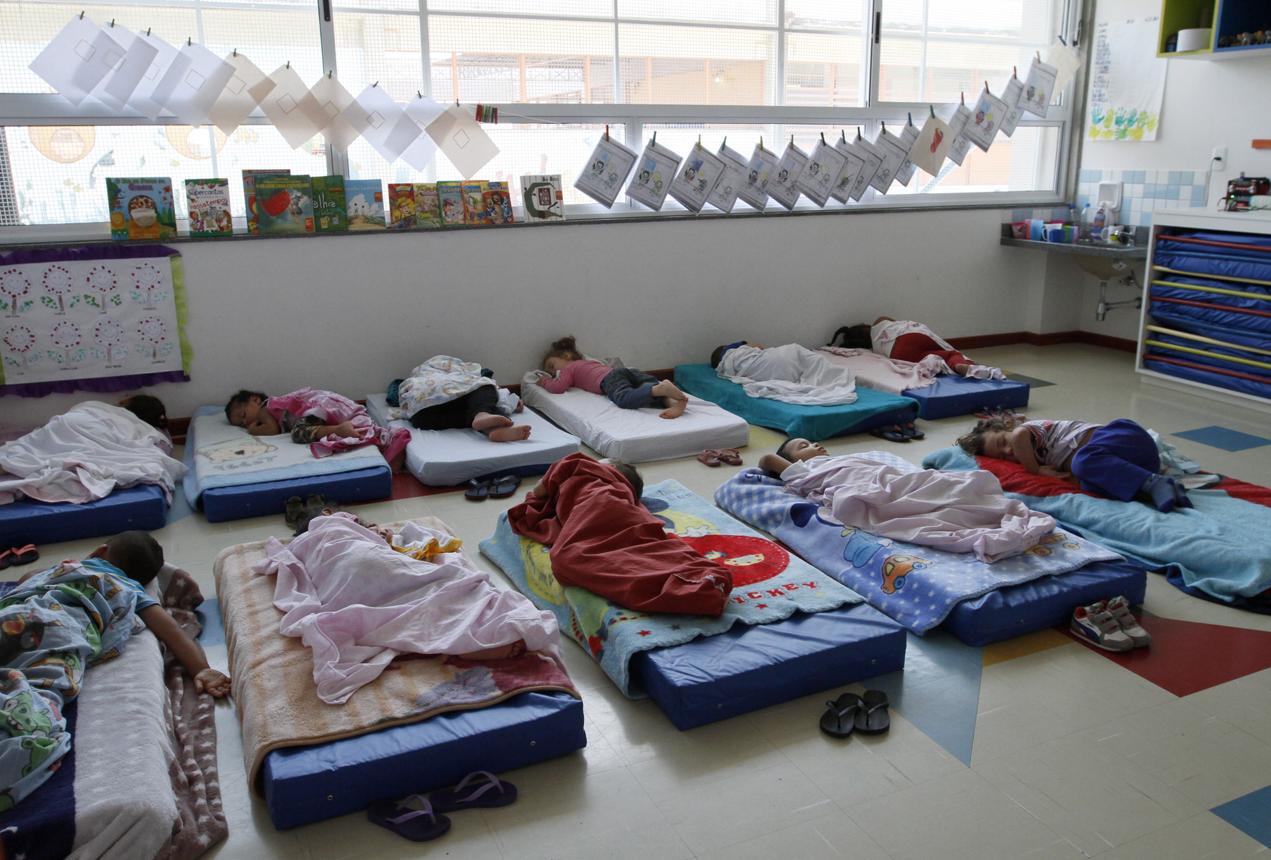
Navigating the Delicate Balance Between Family Connection and Digital Safety in the Modern ClassroomWhat seemed like an innocent classroom update quickly turned into an important lesson about children’s digital privacy.A teacher shared a photograph of children sleeping during nap time in a preschool classroom, hoping to reassure parents that everything was going well. However, only a few seconds after posting the image, the teacher deleted it. Unfortunately, one parent had already taken a screenshot, and the photo soon became the center of discussion among other families.Although stories like this often circulate on social media with dramatic headlines, they highlight a very real, complex issue facing schools today: how to balance meaningful communication with families while fiercely protecting children’s privacy.Modern technology allows photos to spread instantly, and once an image has been viewed or downloaded, deleting the original post may no longer remove it from circulation. Let’s unpack this incident, explore the core issues of digital consent, and discover how schools and parents can work together to create a safer digital environment for our children.📋 Digital Privacy in Schools: Quick Reference GuideDetailInformationThe Core IssueChildren cannot meaningfully consent to having their images published or shared online.The “Delete” MythDeleting a post does not erase its digital footprint. Screenshots can be taken and redistributed in seconds.High-Risk MomentsNap time, toileting, emotional distress, or any moment where a child is vulnerable or identifiable.Best Practice for SchoolsUse secure, closed-loop communication apps; focus photos on hands, artwork, or activities rather than faces.Best Practice for ParentsTreat school photos as private family viewing only. Never reshare or forward without explicit permission.Bottom LineConnection is important, but privacy is paramount. Proactive policies beat reactive deletions every time.💡 Key Insight: Even in “private” or “closed” social media groups, there is no true control over digital content once it is shared. A single screenshot bypasses all privacy settings.❤️ Why This Conversation MattersIt is completely understandable why a teacher would want to share a peaceful nap time photo. It conveys warmth, safety, and care. Similarly, it is completely understandable why a parent would feel protective and alarmed if that image was captured and circulated.Understanding this dynamic helps us:Understanding this dynamic helps us:Protect vulnerable populations: Children rely on adults to be the guardians of their digital footprint until they are old enough to manage it themselves.Support educators: Teachers need clear, actionable guidelines so they can share the joy of the classroom without fear of accidental missteps.Build trust: When schools and parents align on privacy boundaries, it creates a stronger, more secure community for the children.🔍 The Core Issues at Play1. The Illusion of the “Delete” ButtonFor educators, this incident serves as a stark reminder that deleting a post does not always erase its digital footprint. Once content is shared online, there is always the possibility that someone has already downloaded, screenshotted, or captured it. Relying on deletion as a safety net is a risky strategy in the digital age.2. The Consent ConundrumPrivacy experts point out a fundamental truth: young children cannot meaningfully consent to having their images published. While many schools ask parents to sign media consent forms at the beginning of the year, a blanket signature does not cover every context. Consent should be ongoing, specific, and context-aware.3. The Vulnerability FactorNap time may seem like an ordinary, peaceful part of the school day, but many parents (and child development experts) believe these moments should remain strictly private. Photographs that reveal sensitive situations, personal information, or moments when children appear especially vulnerable (sleeping, crying, or using the restroom) cross a boundary, regardless of the photographer’s good intentions.🛡️ Best Practices for Schools & EducatorsSchools can drastically reduce these risks by establishing clear, modern communication policies:Use Secure Platforms: Instead of posting identifiable photographs on public or semi-public social media, use secure, encrypted parent communication platforms (like Seesaw, ClassDojo, or Remind) that limit access strictly to authorized family members.Focus on the Activity, Not the Identity: A highly effective approach is to photograph classroom activities rather than individual children. Pictures showing artwork, learning materials, or hands engaged in creative projects communicate the day’s magic while minimizing privacy concerns.Strategic Angles: When children’s faces must appear, schools may choose to blur identifying features, shoot from behind, or use angles that make specific identification difficult.Regular Training: Provide annual digital citizenship and privacy training for all staff, emphasizing the permanence of screenshots and the importance of contextual consent.🤝 Best Practices for ParentsParents also have vital responsibilities when receiving classroom photos:Respect the Intended Audience: Images shared by schools are usually intended for personal family viewing only. They are not meant to be reposted on public social media, shared in neighborhood group chats, or forwarded to extended family without permission.Protect Other People’s Children: Respecting the privacy of your child means respecting the privacy of all children in the classroom. Avoid sharing or forwarding any classroom photograph that includes other students.Communicate Boundaries Clearly: If you are uncomfortable with your child being photographed at all, or in specific situations, communicate this clearly and kindly to the teacher and administration at the start of the year.❓ FAQs: Your Questions, Answered with ClarityQ: I signed a media consent form at the beginning of the year. Doesn’t that mean the teacher can post anything?A: Not necessarily. A general consent form grants broad permission, but it does not override a school’s specific internal policies (which often forbid nap time or bathroom photos). Furthermore, consent can usually be revoked or modified by parents at any time.Q: Are private, “friends-only” Facebook groups safe for sharing class photos?A: No digital space is 100% secure. Even in private groups, any member can take a screenshot and share it outside the group. It is always safer to use dedicated, secure school communication apps.Q: What should a teacher do if they accidentally post a photo they shouldn’t have?A: Delete it immediately, but also proactively communicate with the administration and the affected parents. Transparency and a sincere apology go a long way in rebuilding trust, and it provides a learning moment for the entire staff.Q: How can I share my child’s school memories without violating other kids’ privacy?A: Focus on your own child in the frame, or focus on the things they made (like a drawing or a block tower). If a group photo is shared by the school, keep it saved privately on your own device and do not repost it publicly.📋 Quick-Reference Action PlanFor Educators & AdministratorsAudit current photo-sharing policies and update them to reflect modern digital realities.Transition to secure, closed-loop communication apps for all classroom updates.Train staff on “activity-focused” photography (hands, backs of heads, artwork).Establish a clear protocol for accidental posts (delete, document, communicate).For ParentsReview the school’s media and photo-sharing policy at the start of the year.Clearly communicate any hard boundaries regarding your child’s photos.Pledge to keep shared classroom photos private and never forward them without permission.Model good digital citizenship for your children by asking permission before posting photos of them.🌱 A Compassionate Mindset: Partnership Over BlameIt is easy to look at an incident like this and assign blame. It is easy to label the teacher as careless or the screenshot-taking parent as intrusive.Please hold this truth gently: This is not a story of villains; it is a story of a system struggling to keep up with technology.The teacher’s intention was likely rooted in care and a desire to connect. The parent’s reaction was rooted in a fierce, protective love for their child’s privacy. Both instincts are valid and beautiful. The solution is not to shame educators into silence or parents into suspicion. The solution is to build better, clearer, and more secure bridges between home and school.Give yourself and your child’s school community grace as you navigate these new digital boundaries together.💙 Affirmation: “I approach digital privacy with mindfulness and compassion. I partner with my child’s school to create a safe, respectful, and connected community.”💬 Final Thought: Protecting the Magic of ChildhoodThere is a profound responsibility that comes with raising children in the digital age. Their childhood moments—the messy art projects, the triumphant block towers, and yes, even their peaceful afternoon naps—belong to them.By choosing to focus on activities rather than identities, by using secure platforms, and by respecting the boundaries of others, we can still capture and share the joy of the classroom without sacrificing our children’s right to privacy.Let’s move forward with intention, ensuring that the digital footprints we leave behind are ones of protection, respect, and care.”The best way to protect a child’s digital future is to make thoughtful, compassionate choices about their present.”How does your child’s school handle classroom photos? Do you have a favorite way to document school memories while respecting privacy? Share your thoughts and policies below—we’re all learning to navigate this digital world, together.
The Classroom Nap Photo Incident: A Vital Lesson on Children’s Digital Privacy