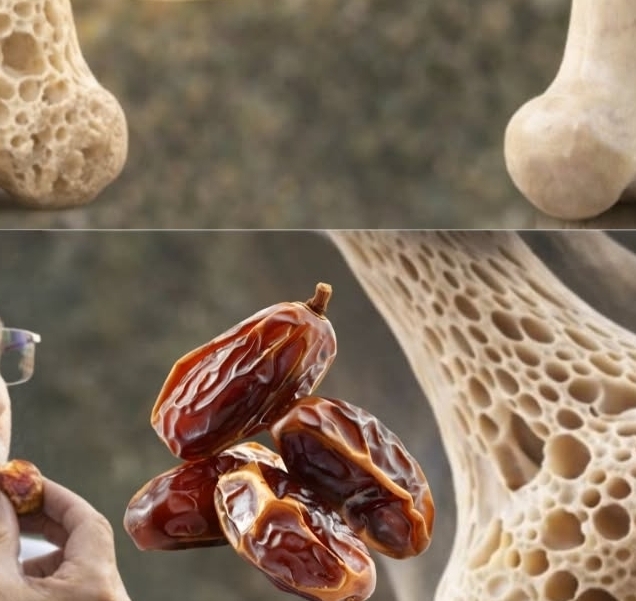
As the caramel-like aroma of dates fills the kitchen, each bite delivers natural energy that many older adults in Mexico value deeply. But can these dried fruits really help fight bone loss? Let’s explore what science and experience suggest — always remembering that moderation and professional guidance are essential.In Mexico, osteoporosis affects millions, especially postmenopausal women and older adults. Low bone mineral density significantly increases the risk of fractures, often caused by nutrient-poor diets, limited physical activity, and natural aging. How many times have you heard a loved one talk about “weak bones” or fear falling?Bone loss doesn’t just weaken the skeleton — it limits independence, causes chronic pain, and reduces quality of life. That’s why many people search for natural, accessible options before relying solely on supplements or medication. Could a simple food like dates make a subtle but meaningful difference? Let’s look closer.Osteoporosis: The Silent Enemy of MaturityOsteoporosis develops quietly, gradually making bones porous and fragile. After age 50, the risk increases sharply — especially when calcium intake is low or vitamin D exposure is limited.Hip and spinal fractures can permanently change a person’s life. But why do some people maintain stronger bones than others?Nutrition plays a crucial role, along with regular movement. Research consistently shows that deficiencies in calcium, magnesium, and potassium accelerate bone loss. While no single food can “stop” osteoporosis, a supportive diet can slow its progression.This is where dates attract attention — not as a cure, but as a mineral-rich complement.Why Are People Turning to Dates for Bone Support?Imagine Teresa, a 68-year-old retired teacher from Mexico City. Diagnosed with early-stage osteoporosis, she began adding dates to her daily routine. Over time, she reported feeling more vitality and comfort in her joints.Dates naturally contain:CalciumMagnesiumPhosphorusPotassiumAll essential minerals for bone structure and density.Scientific reviews suggest that these nutrients contribute to maintaining bone strength and may help reduce age-related loss. Teresa calls her daily dates “a sweet gift for my bones.” Still, they don’t replace medical treatment — absorption and balance matter.Magnesium: A Key PlayerMagnesium supports bone crystal formation and helps regulate calcium metabolism. Studies associate adequate magnesium intake with higher bone density, especially in postmenopausal women.Dates offer this mineral in a natural form — though their natural sugars mean portions must stay moderate.Potassium and PhosphorusPotassium helps reduce calcium loss through urine, supporting mineral balance. Phosphorus works alongside calcium to form strong bone tissue. Together, they help maintain skeletal integrity.Antioxidants Matter TooDates contain antioxidants that help reduce oxidative stress — a factor increasingly linked to bone degradation. While indirect, this cellular protection may support long-term bone health.Potential Benefits at a GlanceNatural Calcium SupportHelps contribute to daily mineral intake for bone maintenance.Magnesium for Bone DensitySupports structural strength, especially in aging adults.Potassium for Mineral BalanceHelps preserve calcium levels in the body.Phosphorus SynergyEssential for bone crystal formation.Antioxidant ProtectionMay reduce cellular damage linked to bone loss.Sustained Natural EnergyEncourages physical activity — vital for bone strength.Digestive FiberSupports nutrient absorption indirectly.Accessible and AffordableEasy to find and store in Mexico.Daily Empowerment HabitSmall actions that build confidence and consistency.Comparing Bone-Friendly FoodsAspect Dates Dairy (Yogurt) Leafy GreensCalcium Moderate High HighMagnesium High Moderate HighPotassium Very High Low HighEase of Use Ready-to-eat Requires refrigeration Requires preparationOsteoporosis Evidence Supportive Strong Good (vitamin K + Mg)Dates work best as a complement, not a replacement.How to Use Dates SafelyRecommended amount:3–5 dates per day, preferably as a snack or on an empty stomach.Tips:Soak them in water to improve texture and digestionCombine with nuts or yogurt for balanceChoose dates without added sugarTeresa made this a daily ritual and felt more energetic — but portion control is essential, especially for people with diabetes.Simple Usage GuideStep Description Precautions1 Choose natural dates Avoid added sugars2 Eat 3–5 daily Watch calories3 Combine with protein or fat Helps glucose balance4 Observe digestion and energy Stop if discomfort occurs5 Consult a professional Never replace treatmentConsistency matters more than quantity.Don’t Miss the Chance to Support Your Bones TodayIgnoring early signs of bone loss can lead to preventable fractures later. You’ve now discovered how dates provide calcium, magnesium, and potassium — nutrients that may gently support bone health.The choice is yours.Start with small, mindful habits. Observe your body. Speak with a healthcare professional. And imagine regaining confidence in your movement.Extra tip: Combine this habit with vitamin D from sunlight or food to improve mineral absorption.Share this knowledge with family — your example might inspire someone else to protect their bones too.This article is for informational purposes only and does not replace professional medical advice. Always consult a qualified healthcare provider for personalized guidance.
Stop Bone Loss Before It’s Too Late! Dates: A Natural Ally to Strengthen Your Bones Every Day