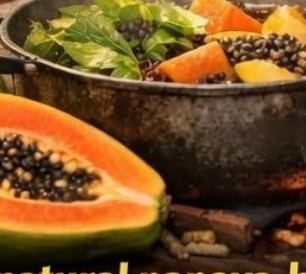
Many people quietly look for gentle, natural solutions to support healthier-looking hair. One traditional remedy that keeps coming up in tropical regions is papaya leaves. While not a miracle cure, they’ve been used for generations as a simple rinse. The key isn’t the leaf itself, but how you prepare and use it.Here’s a gentle, practical guide to using papaya leaves for hair the safe way.Why Papaya Leaves Are Gaining Attention in Natural Hair CareIn many warm climates, older generations have long boiled papaya leaves for hair rinses and scalp soaks. Today, this old practice is finding new interest among people who prefer simple, plant-based routines.What makes them interesting?They contain natural enzymes (like papain) and antioxidantsTraditionally used to help cleanse the scalpEasy to find in tropical areasSome people report a fresher, cleaner feeling after useHowever, natural doesn’t automatically mean gentle. Many viral tips skip important details like proper dilution and frequency, which can lead to dryness or irritation—especially for mature or sensitive scalps.The Most Common Mistake People MakeThe biggest error? Boiling a big handful of leaves and pouring the strong, dark concentrate directly onto the scalp.This concentrated version can feel too harsh. As we age, the scalp naturally produces less oil, making it more prone to dryness. A strong mixture may cause tightness or irritation instead of the soothing effect people hope for.Simple Comparison:Method Common ResultStrong concentrated mix Dryness or mild irritationProperly diluted rinse Gentler, more comfortableDaily use Can overwhelm the scalp1–2 times per week Better balanceA Gentle Way to Prepare Papaya Leaf RinseHere’s a softer, more skin-friendly method:Steps:Wash 4–6 fresh papaya leaves thoroughly.Cut them into small pieces.Boil in 1–1.5 liters of water for about 15 minutes.Let it cool completely.Strain well, keeping only the light greenish liquid.Important tip: The water should look lightly tinted and smell mildly herbal—not dark or overly bitter. If it’s too strong, dilute it further with plain water.How to Use:After shampooing, gently pour the lukewarm rinse over your scalp.Massage lightly with fingertips for 30–60 seconds.Rinse with cool or lukewarm water.No need to leave it on for a long time. Start slow and listen to your scalp.What Matters More Than Any Single RemedyThe truth is, no leaf alone can transform your hair. Real improvement usually comes from consistent daily habits:Eating a balanced diet rich in protein, iron, and vitaminsStaying well hydratedAvoiding tight hairstyles that pull on the rootsUsing a mild, sulfate-free shampooManaging stress levelsProtecting hair from excessive heatPapaya leaf rinse can be a nice occasional addition, but it works best as part of a holistic approach.Practical Tips Before You TryAlways do a patch test on your inner arm firstUse only diluted preparationsSkip if your scalp is already irritated or brokenLimit to 1–2 times per weekStop immediately if you notice any discomfortGolden Rule: Just because something is natural doesn’t mean it’s suitable for everyone in full strength.Frequently Asked QuestionsDo papaya leaves promote hair growth? Scientific evidence is limited. They may help support a cleaner scalp environment, which is important for healthier-looking hair, but they are not a proven growth treatment.How often can I use it? Once or twice a week is usually enough for most people.Is it safe for everyone? It’s generally well-tolerated when diluted, but people with very sensitive skin or allergies should be extra cautious and do a patch test.Final ThoughtsPapaya leaves offer a gentle, traditional option for those exploring natural hair care. The real secret lies in using them lightly and respectfully rather than in strong concentrations.Beautiful hair starts with a comfortable, healthy scalp and kind daily habits. Whether you try papaya leaf rinse or not, the most important thing is finding what feels good for your hair and scalp. Disclaimer: This article is for informational purposes only and is not medical advice. If you have ongoing hair loss or scalp concerns, please consult a dermatologist or healthcare professional.
Papaya Leaves: Do not do this hair treatment if you are not ready for extreme