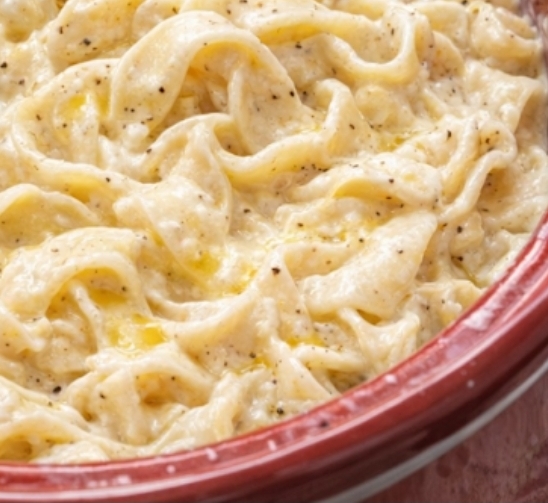
There is a quiet magic in recipes passed from neighbor to neighbor, unchanged by trends but perfected by time. This slow cooker egg noodle dish arrived exactly like that: shared across a kitchen counter on a handwritten index card, tested that same evening, and now requested weekly by my own family. The result is impossibly rich, deeply comforting, and so velvety it practically melts on your tongue. With just five humble ingredients and a completely hands-off method, it delivers the kind of nostalgic, soul-warming comfort that feels like a warm embrace on a busy weeknight.Cultural ContextButtery sour cream noodles trace their roots to Midwestern, Appalachian, and Eastern European home kitchens, where simple staples like egg noodles, butter, and cultured dairy were transformed into sustaining, family-sized meals. Before the era of heavy cream or complex sauces, cooks relied on sour cream for its natural tang, rich fat content, and ability to create a silky, cohesive coating. When slow cookers entered American homes in the mid-twentieth century, this classic preparation adapted seamlessly, replacing stovetop vigilance with gentle, even heat that coaxed starches into a luxurious, self-thickening sauce. This recipe honors that lineage of resourceful, comforting cooking: proof that timeless flavor doesn’t require luxury ingredients, only patience, balance, and a willingness to let simplicity shine.Why You’ll Love This RecipeOnly five core ingredients, all pantry staplesCompletely hands-off once the lid is closedNaturally creamy without heavy cream or flour thickenersNostalgic, deeply satisfying flavor that appeals to all agesMinimal cleanup: one slow cooker, no extra pots or pansHighly adaptable base for proteins, vegetables, or herbsIngredientsIngredients12 oz wide egg noodles (dried, homestyle or Amish-style preferred)3 cups chicken broth (low-sodium recommended)2 cups full-fat sour cream6 tbsp unsalted butter, cut into small pieces1 tsp kosher salt, or to taste1/2 tsp freshly ground black pepper, plus more for servingStep-by-Step InstructionsPrepare the Slow Cooker: Lightly grease the interior of a 4- to 6-quart slow cooker with a small amount of butter or nonstick cooking spray. This prevents the noodles from adhering to the ceramic during cooking.Add Broth & Seasonings: Pour the chicken broth into the slow cooker. Add the kosher salt and black pepper, stirring gently until the seasonings are evenly distributed throughout the liquid.Layer the Noodles: Add the dry egg noodles to the slow cooker, spreading them as evenly as possible across the bottom. Press down lightly with a spoon to help submerge them. It is perfectly fine if a few tips remain above the liquid; they will soften and sink as the mixture heats.Dot with Butter & Cook: Scatter the butter pieces evenly over the noodles. Cover and cook on HIGH for 1 hour. Carefully lift the lid and give the noodles a gentle stir, lifting from the bottom to release any that may be settling. Replace the lid and continue cooking on HIGH for an additional 30 to 45 minutes, or until the noodles are tender but not mushy and most of the broth has been absorbed into a glossy, starchy coating.Finish with Sour Cream: Turn off the slow cooker. Add the full-fat sour cream in two additions, stirring gently but thoroughly until completely melted and evenly incorporated. The residual heat will warm the sour cream without causing it to separate. Cover and let the noodles rest for 5 minutes; this allows the sauce to thicken slightly and cling beautifully to each strand.Serve: Taste and adjust with additional salt or pepper if needed. Serve immediately while warm and velvety.Serving SuggestionsClassic pairings: Roasted chicken thighs, pan-seared pork chops, or grilled sausages for a hearty, balanced plateVegetable additions: Steamed green beans, roasted carrots, or sautéed mushrooms tossed directly into the noodles before servingFresh accents: A light sprinkle of chopped parsley, chives, or cracked black pepper to brighten the richnessComfort extras: Warm crusty bread or soft dinner rolls for soaking up the creamy sauceBeverage matches: Crisp apple cider, lightly buttery Chardonnay, or a simple glass of iced herbal teaYou Must KnowFull-fat sour cream is essential: Low-fat or nonfat varieties contain stabilizers and less fat, which can cause the sauce to split or turn grainy when heated.Do not overcook: Egg noodles continue to soften in the residual heat. Check for tenderness at the 30-minute mark after the initial stir to avoid a mushy texture.Gentle stirring only: Use a wide spoon and fold carefully. Vigorous mixing can break the wide noodles and release excess starch, making the sauce gluey.Rest time thickens naturally: The 5-minute rest after adding sour cream allows the starches and dairy to emulsify, creating that signature silky coating.Slow cooker variances: Some models run hotter than others. If your cooker tends to run high, reduce the final cook time by 5–10 minutes and check frequently.Storage TipsRefrigerator: Store cooled leftovers in an airtight container for up to 3 days. The noodles will continue to absorb moisture, so expect a thicker consistency when reheating.Freezer: Not recommended. Sour cream and egg noodles tend to separate and become watery or grainy when frozen and thawed.Reheating: Warm gently on the stovetop over low heat, adding 2–3 tablespoons of chicken broth or milk to restore creaminess. Microwave in 30-second intervals, stirring well between each.Make-ahead strategy: This dish is best prepared fresh. If prepping components ahead, measure noodles and broth the night before, but add the sour cream only after cooking to preserve texture.Avoid repeated reheating: Reheat only the portion you plan to eat to maintain flavor, consistency, and food safety.Frequently Asked QuestionsQ: Can I use low-fat sour cream to make this lighter?A: It is not recommended. The reduced fat content and added stabilizers will likely cause the sauce to curdle or separate when heated. For a slightly lighter option, blend 1 cup full-fat sour cream with 1 cup plain Greek yogurt.Q: Why did my noodles turn gummy or sticky?A: This usually happens from overcooking, insufficient initial liquid, or vigorous stirring that releases excess starch. Stick to the recommended times, stir gently, and ensure noodles are mostly submerged at the start.Q: Can I add meat or vegetables directly to the slow cooker?A: Yes, but cook meats fully before adding. Delicate vegetables like peas or spinach can be stirred in during the final 5 minutes. Hearty vegetables like carrots or celery should be added with the broth to ensure they soften properly.Q: Can I use a different type of pasta?A: Wide egg noodles are ideal because their starch content creates the creamy coating. Other shapes like rotini or penne will work but may require adjusted liquid and cook times, and the texture will differ.Q: Is this recipe naturally gluten-free?A: No, traditional egg noodles contain wheat. For a gluten-free version, use certified GF egg-style noodles or rice-based wide noodles, and verify your broth and sour cream are gluten-free.Allergy InformationContains: Gluten (egg noodles), dairy (butter, sour cream), egg (noodles)May contain: Soy or wheat derivatives depending on broth or noodle brandSubstitutions:Gluten-free: Use certified GF wide noodles and verify all packaged ingredientsDairy-free: Replace butter with plant-based butter and sour cream with full-fat coconut cream or unsweetened cashew cream (note: flavor and texture will shift)Lower sodium: Use low-sodium broth, omit added salt until tasting, and season graduallyAlways verify packaging for allergen statements, as formulations vary by manufacturer and region.Slow Cooker Creamy Butter & Sour Cream Egg Noodles is a quiet reminder that some of the most enduring recipes require nothing more than a few honest ingredients and the patience to let them transform. It does not demand technique, exotic flavors, or hours of attention. It only asks for a slow cooker, a gentle stir, and the willingness to trust the process.Make it when the week feels heavy, when you need a reliable dish to share with loved ones, or when you simply crave the kind of comfort that tastes like memory. If you try this recipe, I would love to hear how you serve it. Did you pair it with roasted chicken? Stir in fresh herbs? Share your kitchen story, and if you know someone who still treasures the quiet simplicity of old-fashioned cooking, pass this along.Because sometimes, the most deeply satisfying meals are not about doing more. They are about letting butter, broth, and time do exactly what they were meant to do.
My neighbor shared this old recipe and now my family requests it weekly. So creamy it practically melts on your tongue.