
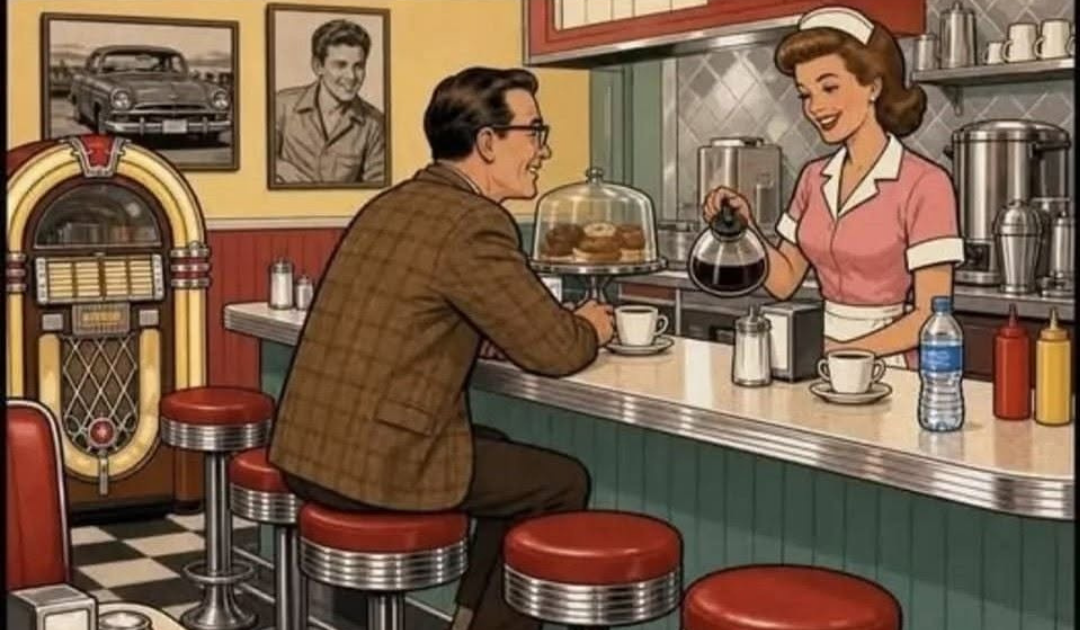
Introduction: The Allure of Nostalgic Diner Culture
The 1960s diner represents a golden era in American culture, where food, music, and social interactions blended seamlessly in inviting, vibrant environments. Diners of the 1960s featured classic elements such as shiny chrome fixtures, checkered floors, and jukeboxes that spilled out the latest rock and roll hits. While these diners were beloved gathering spots, they have also become the backdrop for fascinating visual puzzles that challenge our observational skills. One such puzzle revolves around spotting a mistake in a seemingly perfect depiction of a classic diner scene.
A Classic American Diner: Characteristics and Atmosphere
When we think of a classic American diner, certain elements spring to mind that evoke a sense of nostalgia and warmth. These visual clues contribute to the charm of diners from the 1960s:
- Checkered Floors: Black and white tiles create a visually striking floor that has become a staple of diner design.
- Chrome Fixtures: The gleaming metal finishes on stools, counters, and appliances add a polished look to the vibrant environment.
- Jukeboxes: Often found in the corner, these iconic machines played an important role in creating a lively atmosphere, allowing patrons to choose tunes during their meals.
- Classic Waitstaff: Dressed in traditional uniforms, waitresses and waiters became symbols of American hospitality, serving comfort food with a smile.
- Comfortable Seating: Booths and counter stools designed for leisurely meals while enjoying the lively ambiance.
These elements combined create a full experience that invokes fond memories for many and draws in those unfamiliar with the era through the captivating visuals.
The Power of Visual Puzzles: Why They Intrigue Us
Visual puzzles and challenges, such as “Can You Spot the Mistake in This Diner?”, rely on several psychological principles, particularly our innate tendency to form quick conclusions based on visual stimuli. By focusing on overall impressions rather than examining every detail, our brain often overlooks inconsistencies or errors.
The Process of Recognition
Humans are hardwired to recognize patterns, and in familiar settings such as a diner, our cognitive processes prioritize that recognition over scrutiny. Here’s how this works:
- Gestalt Psychology: This principle emphasizes that the whole is greater than the sum of its parts. We often assess scenes rapidly, focusing on shapes, colors, and configurations rather than individual objects.
- Familiarity Bias: The more we are accustomed to a certain environment, the less likely we are to notice anomalies. In a 1960s diner scene, this could mean missing a contemporary detail that doesn’t fit the historical context.
Such psychological outcomes make visual puzzles entertaining and engaging challenges, as participants may find the mismatch quite easily after several attempts, creating a rewarding “aha!” moment.
Spotting the Unexpected: Engaging with the Puzzle
As the diner scene draws the viewer in, the joy lies in the challenge of identifying the detail that feels out of place. This unexpected element could either be an anachronism—something that did not exist during the 1960s—or a quirky detail that doesn’t align with the diner’s aesthetic. The thrill of the hunt can spark lively conversations as friends and family work together to uncover the discrepancy. Here are some common types of mistakes that might appear:
- Modern Technology: Items like smartphones, laptops, or contemporary kitchen gadgets can clash with the vintage diner feel.
- Inconsistent Fashion: Patrons or waitstaff dressed in fashions beyond the 1960s, such as modern sportswear, can tip off observers.
- Odd Decor Elements: Contemporary artwork or decorations that don’t match the diner’s retro theme could provide the needed clue.
When attempting to spot the mistake, it encourages viewers not only to look deeper but also to appreciate the intricate design of the scene as a whole.
The Cultural Significance of Diners
The cultural significance of diners extends far beyond their interiors. They serve as communal spaces that embody American identity, showcasing diversity in cuisine and the social fabric of the 1960s.
A Gathering Place for the Community
Diners have historically served as melting pots of social interaction, drawing people from all walks of life. Here are some key cultural aspects that diners contributed to society:
- A Hub for Social Interaction: Diners provided a casual atmosphere where individuals could gather, share stories, and connect over food.
- Diverse Menus: Reflecting the melting pot that is American culture, diner menus often combined various culinary influences, allowing patrons to explore different flavors.
- Iconic Status: Diners became more than just places to eat; they represented an enduring symbol of American life, featured in films, songs, and art.
Conclusion: Embracing Nostalgia in Modern Times
The nostalgic appeal of the 1960s diner continues to resonate with audiences today, whether through preserved diners that still serve delicious comfort food or illustrations that evoke memories of a bygone era. Visual puzzles like “Can You Spot the Mistake in This Diner?” tap into this collective nostalgia while engaging our cognitive abilities. As we embark on these challenges, we explore how our minds process images and details and reflect on a rich cultural history that continues to shape our dining experiences. So next time you walk into a diner, take a moment to appreciate the details—and perhaps even challenge a friend to spot what doesn’t belong!